
Okay, “agnostic” is a strong word.
But we’ve all played a deck like this. A Voltron deck, where you steadily accrue resources into one big fatty to thwack your opponent for 21 damage. Or maybe one where you build your deck around hitting mana cost requirements for massive card payoffs. Or maybe your commander is the conduit for cheating in joyful fun things that will certainly have your former friends turned opponents screaming in delight!
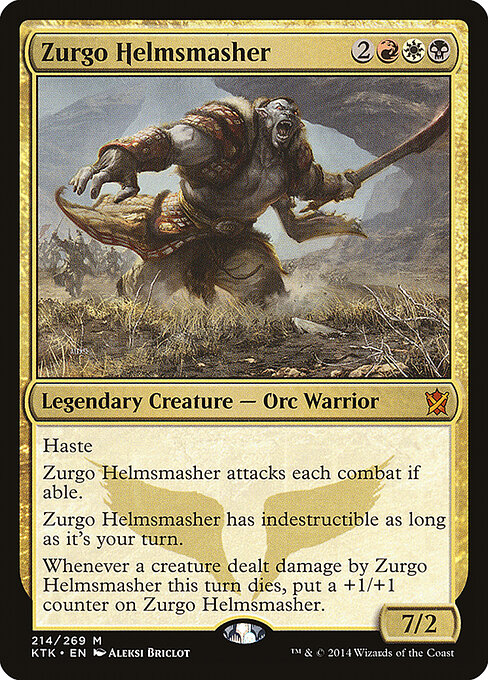
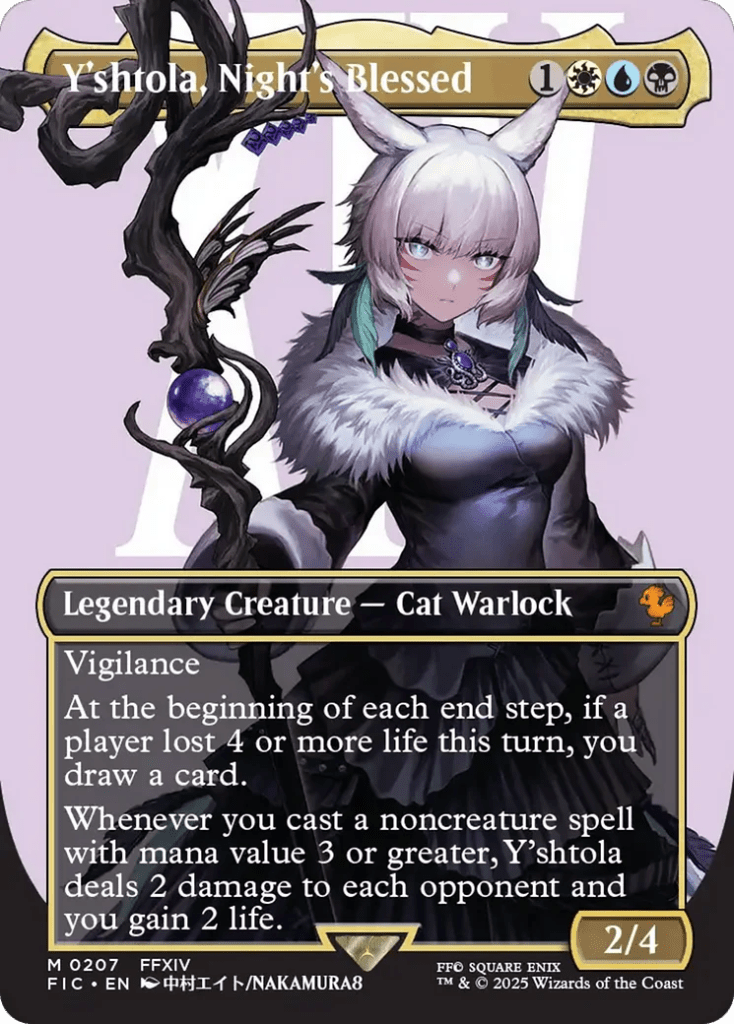
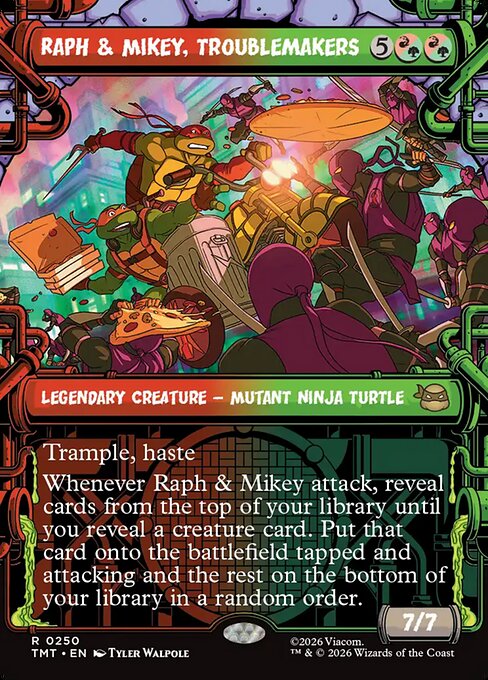
Then you begin gathering your resources. Maybe you’re planning for a big turn and have played Equipment after Equipment. You’ve casted an Enchantment that synergizes superbly with your Commander. Or you’re just ready to turn your Commander sideways and begin earning undeserved value.
Only to be met by a Swords to Plowshares.

The next course of action is usually one of two things. To be sad, or to complain. Because now your strategy is two turns behind, and with EDH speeding up faster than the imminent downfall of mankind as we know it, those two extra turns probably means you just lost the game.
Most people would like to give the argument of, “it’s called ELDER DRAGON Highlander!” or “Commander!”, but it becomes easy to forget one of the key words of the abbreviation.
Building for the “Highlander” aspect can be just as interesting, and if you were to ask someone like me, perhaps more so. That’s right, for my first article on Commander, I’m going to be imposing my will upon all readers and telling them, “YOU’RE DOING IT WRONG”!
You’re not doing it wrong, you’re great. But this can hopefully provide fresh perspective on the many different ways of building a deck in the most popular, and perhaps most diverse, format in Commander.
The Starting Process
Here, we don’t decide on a Commander first. Not in this household.
Instead, we decide which archetype we want to go for. This doesn’t necessarily mean you have to decide if you want to play Aristocrats or Stompy right this very instant.
There may be a specific, non-legendary card you really wanted to run in a deck, or a funny interaction you wanted to test out, but never found the means to.
Using myself as an example, let’s refer to a card we all recognise, and is legitimately one of my favourite cards in the format.
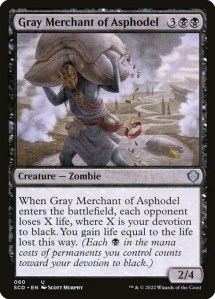
That’s right, Gary. I want to use Gary. Not the snail. Actually, the snail is also in the deck. I also really like the snail, or I guess the slug, in terms of the actual card, but it’s not my Commander, because I like having friends, and we’re going to be looking at a Bracket 2 deck here.
Gary himself doesn’t lend into a specific archetype. You want to trigger ETBs often, and you don’t want too many colours so as to not muck up your devotion to black. So let’s decide on an archetype, another type of gameplay I like. How about Theft?
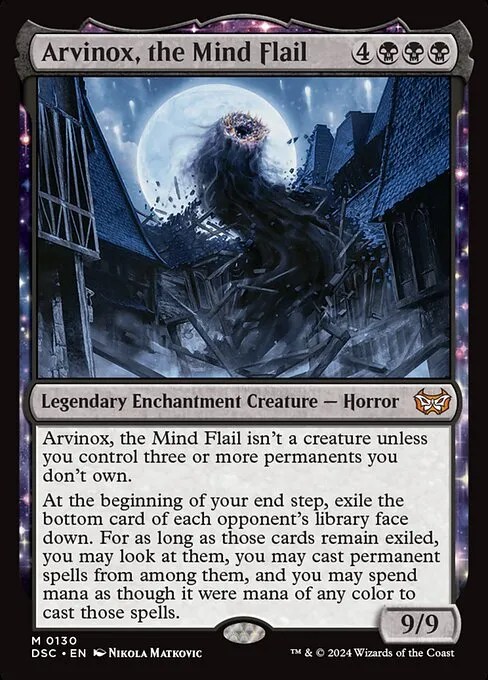
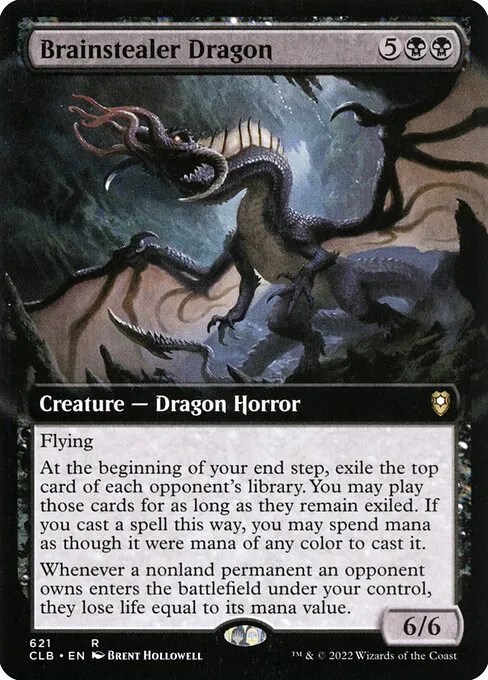
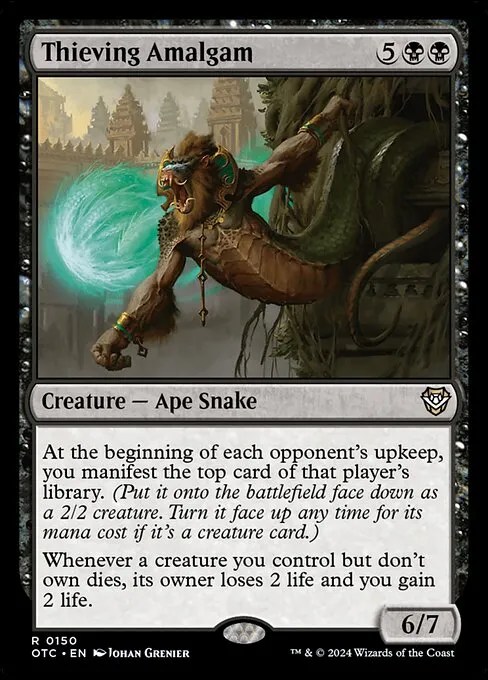
And now with Theft decided, we could also just hop into deciding your Commander at this stage, or look for other cards we want to include in the deck. Let’s do that first.
Cards in black that thieve aren’t particularly hard to find, but I’ve decided that I don’t want to run Mono-Black. I’d also like to gain access to the flicker options in either White or Blue. Here, we can consider between cards we like, as well as cards that actually help the gameplan. As we want repeated ETBs and there are some specific cards I want to run in Blue, we’re going Dimir here.

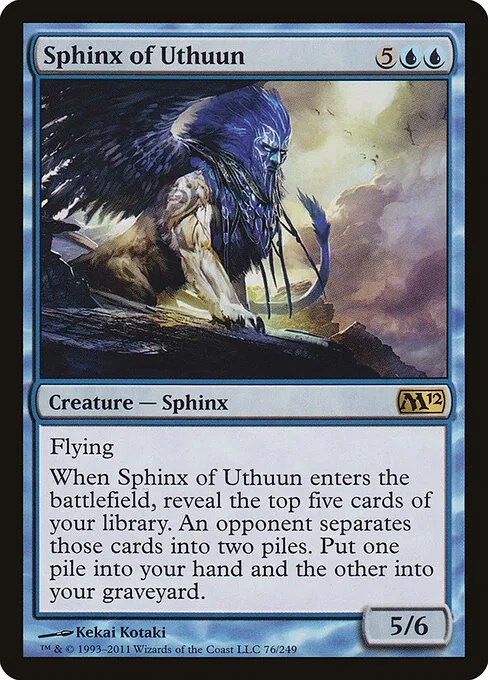
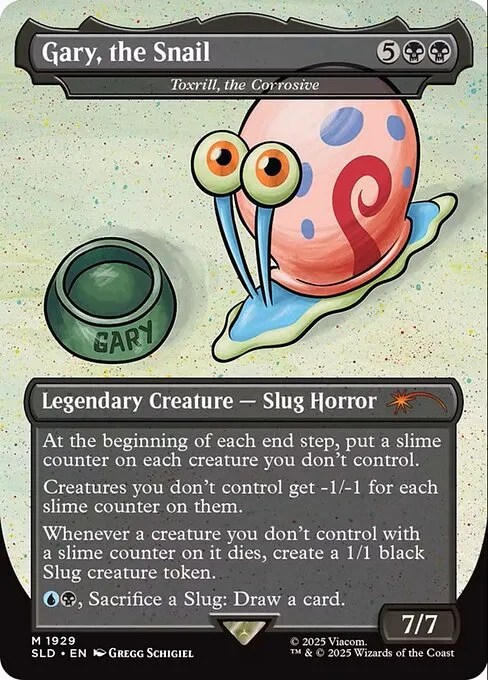
Now, we can decide on our Commander. Also, yes, I do genuinely like Toxrill. Toxrill is funny.
Your Commander
What you want from your Commander in this scenario is a way to supplement your strategy, rather than revolve around it. If your deck is a meal, then your Commander is a side dish you enjoy, rather than the main course that you’d sob if it were taken away from you. Fries, by the way.
Now, what do we have? We have some high-costed creatures, a good amount of ETB triggers with Gary (Gray Merchant, not the snail) as a potential primary wincon, and theft options that we may want to abuse. We can’t always have ALL of these available to us, but we would like to solve the expensive creatures issue, and with the abundance of ETB triggers, we’d be running cards to make use of those effectively. So now we look for a creature that aids that strategy adequately.
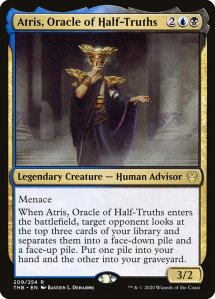
Tricked you with that thumbnail, didn’t I?
This weirdo who looks like he hasn’t showered in at least five centuries will be our Commander of choice. He fulfills two of the three criteria – he abuses ETB, and now, he helps fill our graveyard. This means we’re now also leaning towards a Reanimator subtheme.
Also, what does “Oracle of Half-Truths” even mean? Does this guy go around telling people “I don’t have Craterhoof Behemoth in my hand! I can’t win with it next turn!” only to drop a Moonshaker Cavalry and for you to realise that sometimes, playing Commander isn’t actually very fun?
Anyway, the beauty of it is that Atris isn’t the only choice we have.
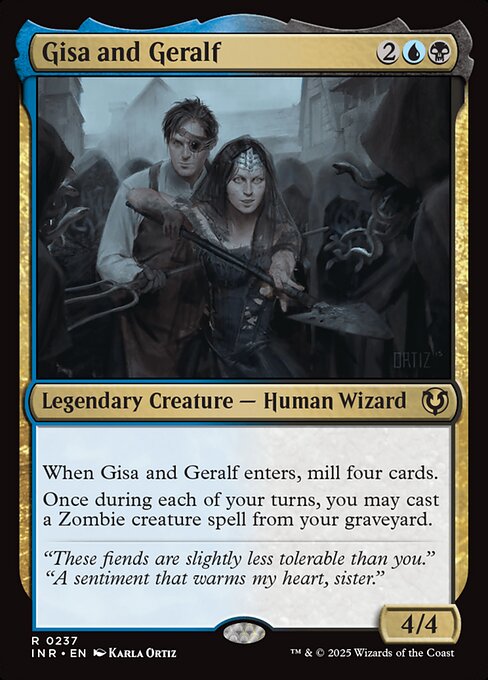
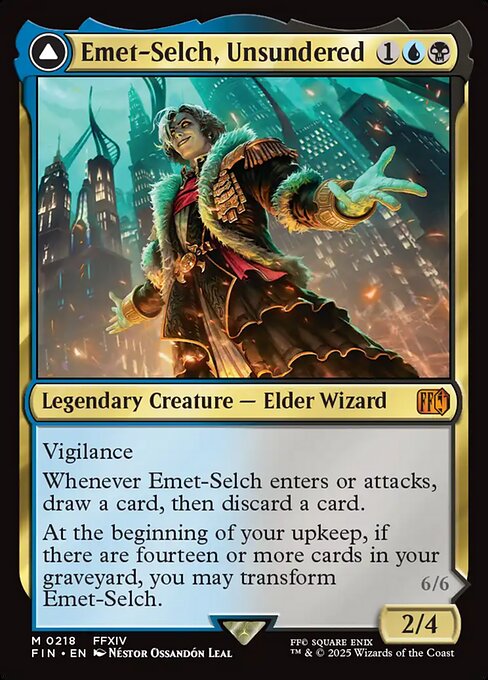
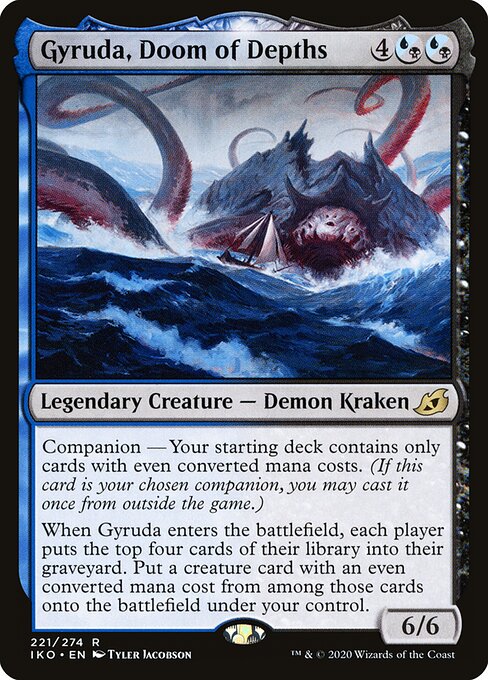
These three also function similarly for what we want to do. They abuse ETBs, get creatures into our graveyards since we’re in Dimir anyway, and even help us with the Reanimating. You can even run them in the 99, or run any mix and match of them in your deck and as your commander. Personally, I run Gyruda in the 99.
Here are some other examples of “cards I wanted to run leading to specific Commander choices”. The key point here is that we want to make sure our Commander helps with our strategy that the cards lead into, but the deck won’t immediately fold without the aid of the Commander.
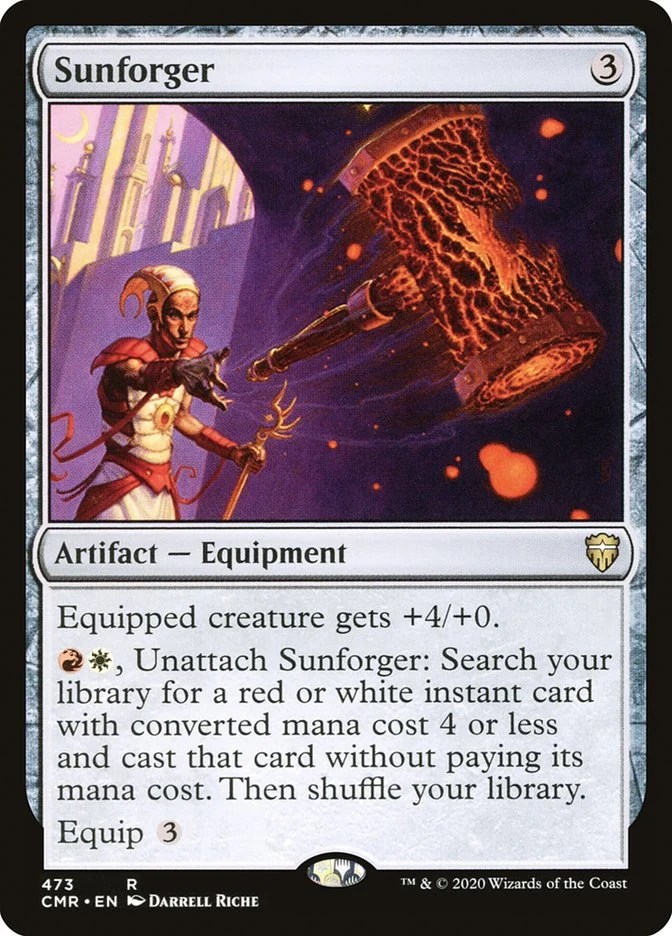
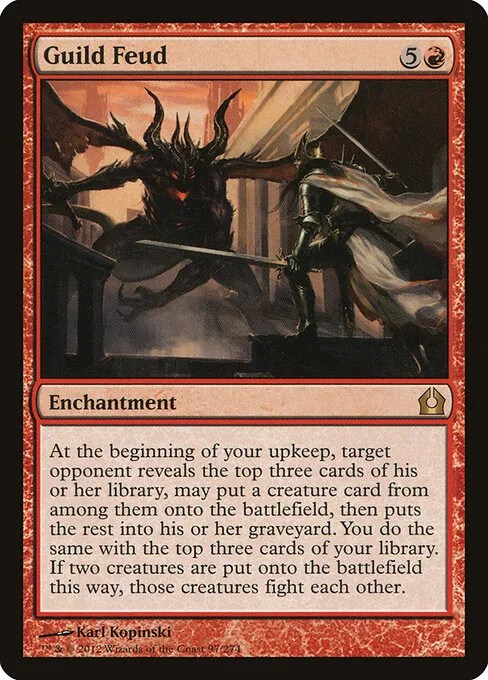
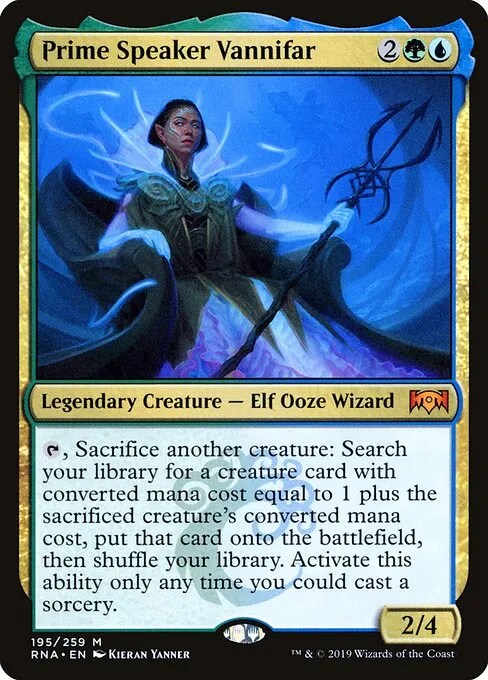
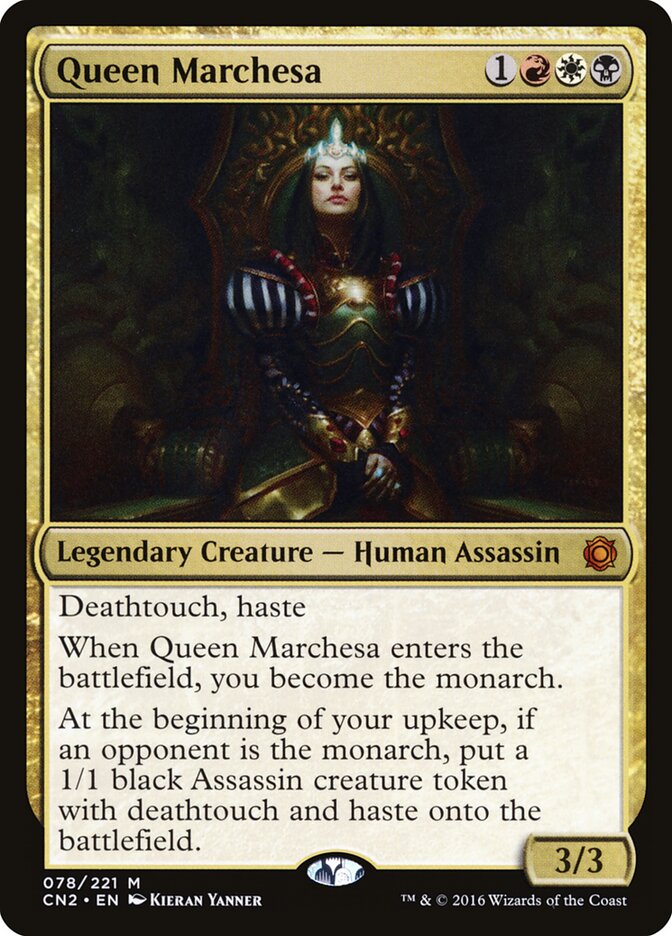
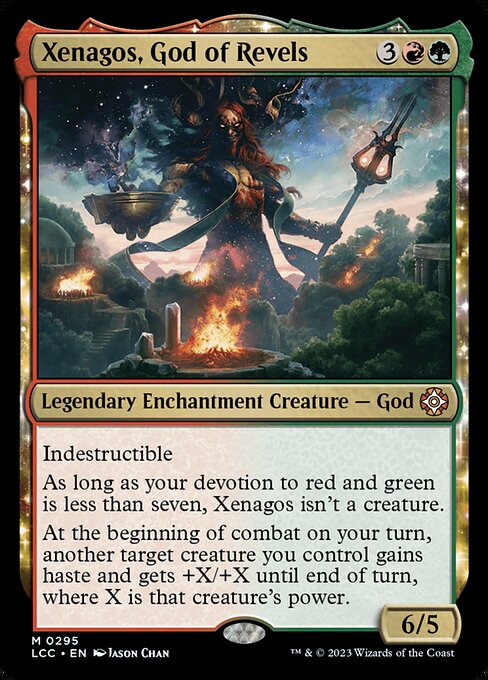
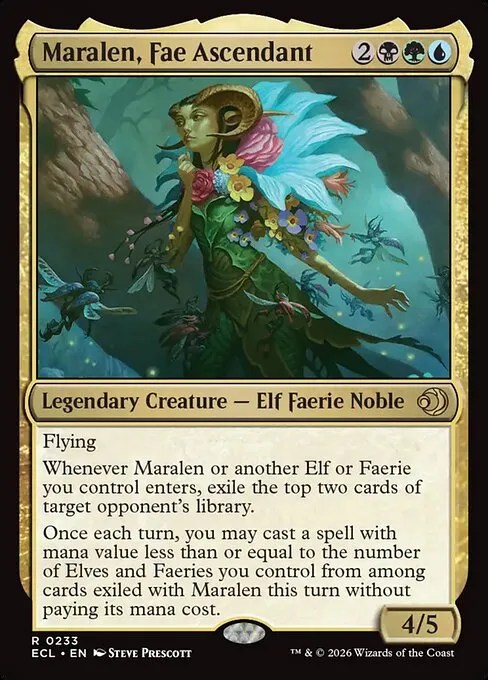
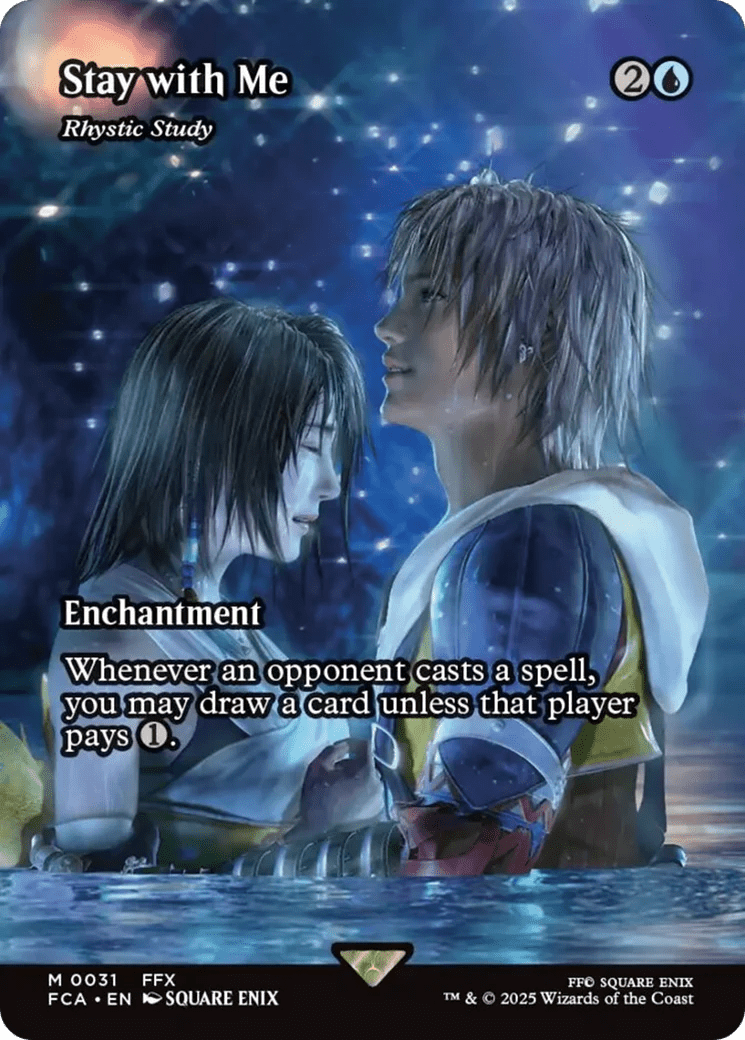
If I also told you that I do actually love tax cards like Smothering Tithe and Rhystic Study and always have an Azorius commander on hand to make use of that, you might stop reading. So pretend you didn’t read that and let’s move on!
Filling in the rest of the deck
General deckbuilding principles still apply here. You want an adequate amount of ramp, and it’s as always ideal to plan out your curve. Also, lands. I’m not one of those people that will tell you that you should run X amount of lands and if you don’t you deserve every bad thing that ever happens to you, but uh, you should still run 37 lands.
Using Atris for a simple example, if we follow a simple turn 1 land > turn 2 land + mana rock > turn 3 Atris curve, what we can then do is choose to put two cards in our hand, and the singular card in the graveyard. This results in us having 8 cards in hand, and forces us to discard down to hand size, which fills the graveyard. This of course does not work if we’re forced to mulligan multiple times, but Atris himself does provide the possibility of tossing fatties into the graveyard, so it’s not all doom and gloom.
Then we put in the interaction. If we stuff in all our joy immediately, we’ll lose sight of what’s actually important – that is, ruining the fun of your opponents, I mean, halting their gameplan to advance our own. Run your requisite countermagic and removal. I always run at least 10.
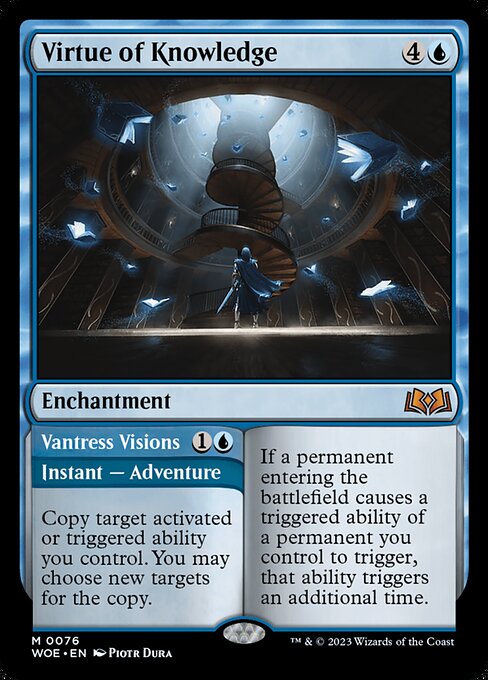
Now, our actual tools of the trade. First, we need ETB enablers.

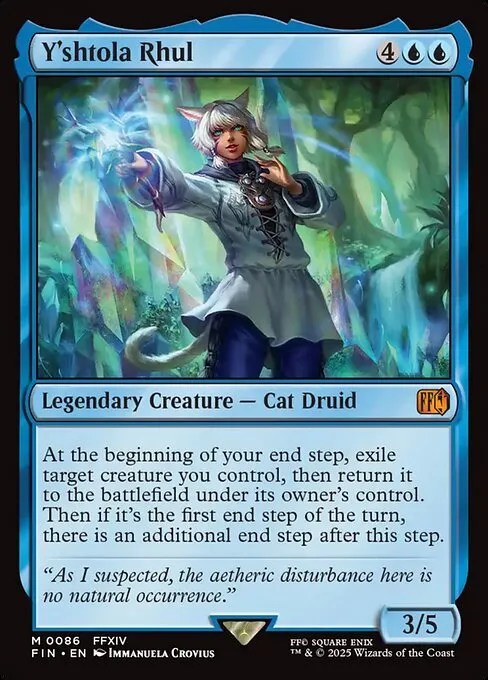
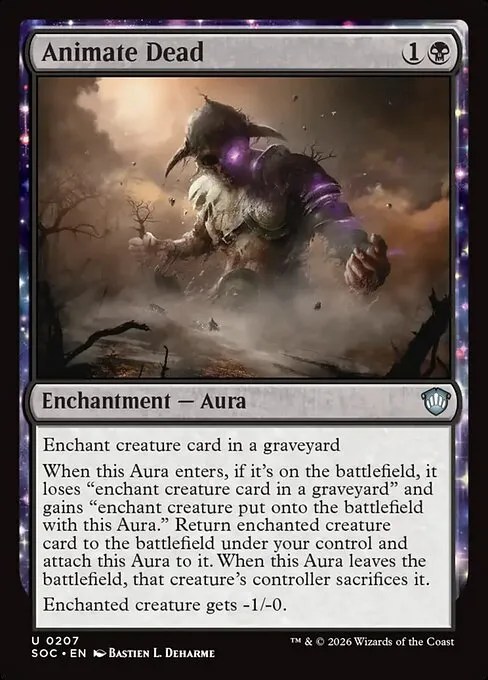
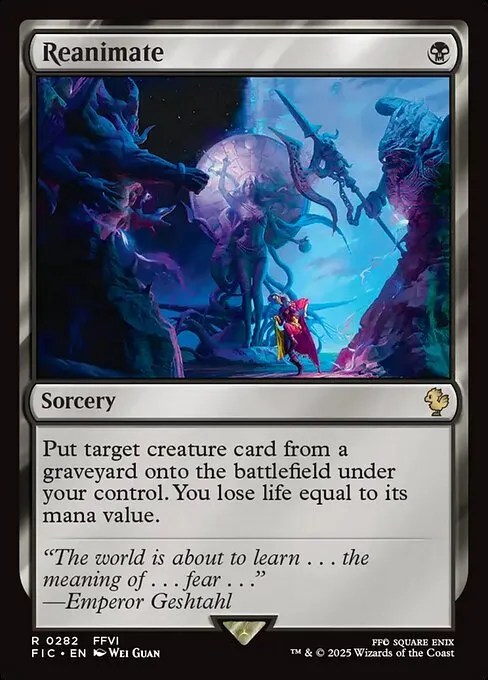
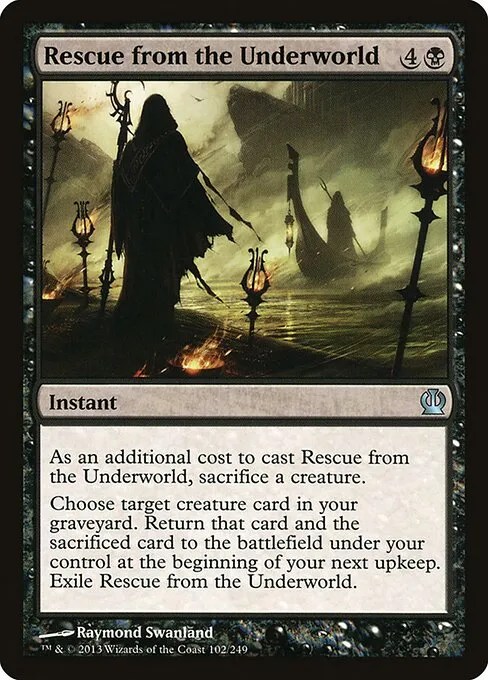
Now, we look at reanimation options. Rescue from the Underworld is particularly noteworthy for also being a flicker.
Around this time, we also realise that a lot of our creatures that abuse ETBs aren’t actually Legendary, so creating token copies are quite functionally similar to flickering, if not just outright superior options as we have things that deal damage when stuff happens. A lot of these can lead to a win with Gray Merchant and some other cards, as well.
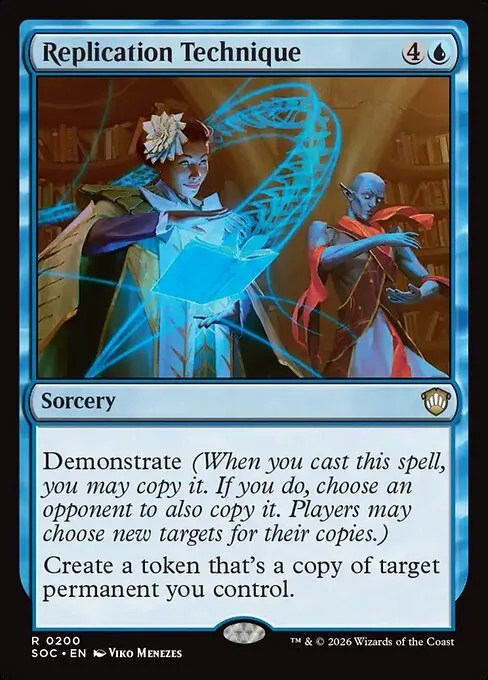
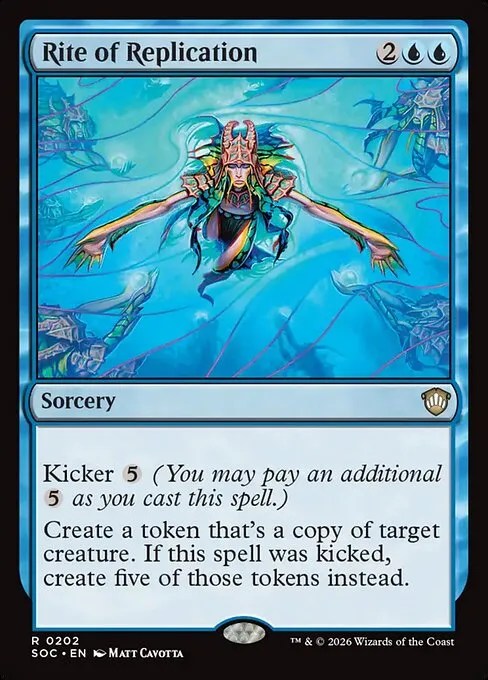
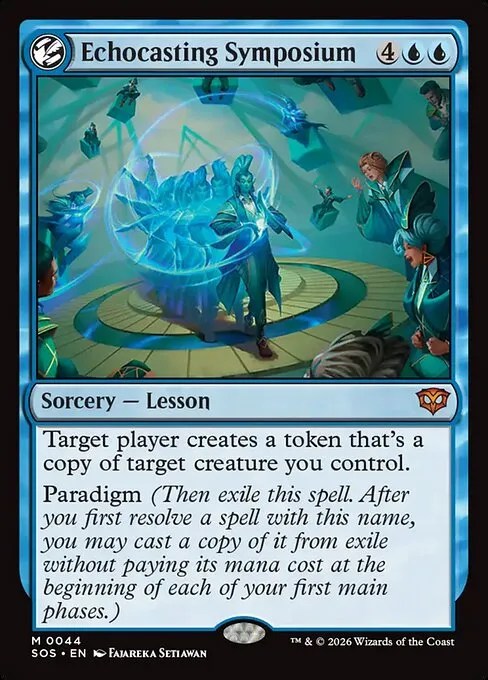
Lastly, even more generally good fatties that work with our gameplan, if not benefit from it.
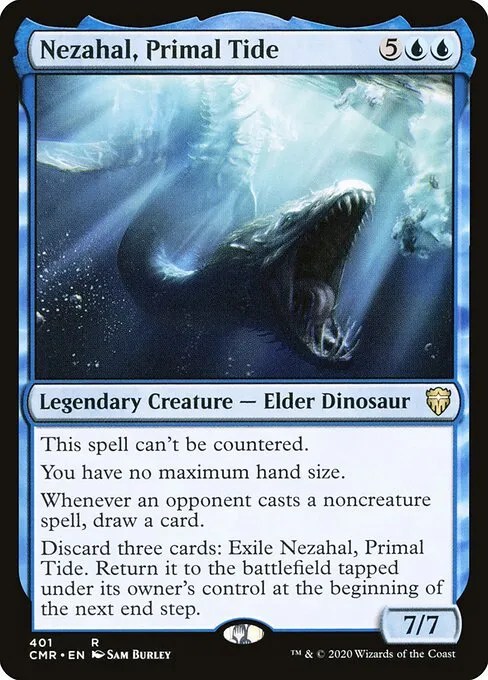
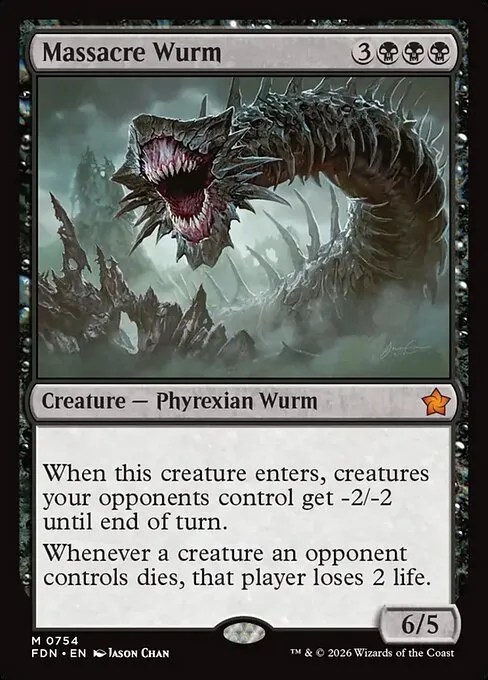
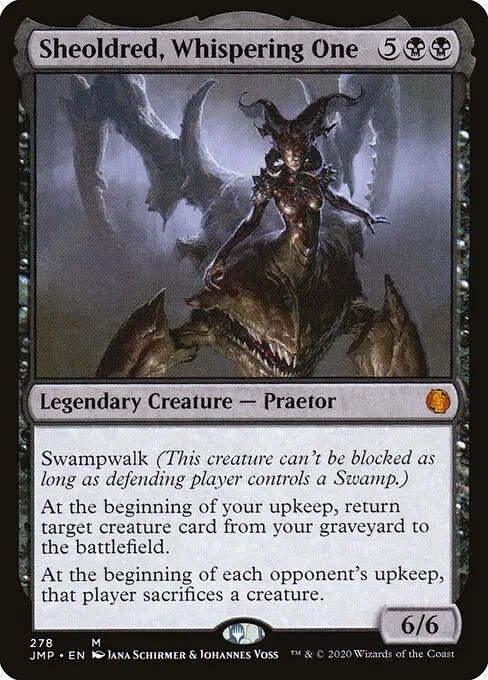
And there we have a working deck! The magic of this system is the resiliency that innately comes along with it, because we don’t actually care if Atris dies at any point. He has entered, done his job, and we hopefully we’ve Reanimated in another form of consistent card advantage on the field that does it better than Atris, or are already threatening differing scenarios with our flickering ETB triggers, or just creating dread on the board with a big scary monster. If we haven’t, then instead we flicker Atris until we do.
Of course, it’s never fully foolproof. To an extent, we still do appreciate our Commander, and can potentially encounter scenarios where our Commander dying would be a negative outcome, but your opponents would also realise that killing your Commander wouldn’t accomplish very much.
Closing
This isn’t an indictment on decks that primarily focus on their Commander. Rather, it’s a look at another, perhaps less appreciated or understood way to build a deck, and maybe a time to reflect and consider at the word we appreciate less.
Highlander. Say it with me now. Highlander.
 i write about stuff
Leave a comment